Masindi registers 50 leprosy cases in two years, health officials raise alarm
He identified Miirya Sub-county as the most affected area in the district and warned that the number of cases could continue to rise if active case detection and treatment are not intensified.

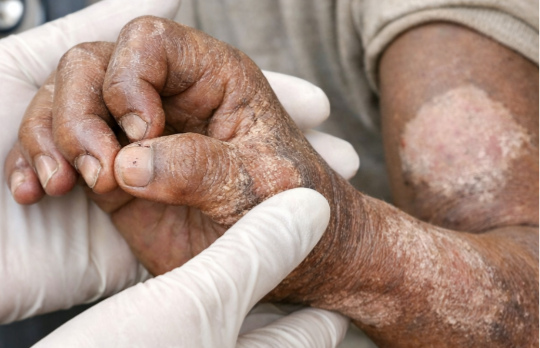

Masindi: Health authorities in Masindi District have raised concern over a resurgence of leprosy, locally known as Ebigenge, after the district recorded 50 cases over the last two years despite Uganda having eliminated the disease as a public health problem more than three decades ago.
According to Zaccheaus Buhanga, the Masindi District Tuberculosis and Leprosy Supervisor, the district continues to register new infections, making it the area with the highest number of leprosy cases in the Bunyoro sub-region.
“Although leprosy was declared eliminated as a public health problem in Uganda in 1994, Masindi continues to register new cases. We have recorded 50 cases in the last two years, which is the highest in Bunyoro,” Buhanga said.
He identified Miirya Sub-county as the most affected area in the district and warned that the number of cases could continue to rise if active case detection and treatment are not intensified.
Buhanga explained that leprosy is a bacterial disease that spreads through prolonged close contact with an infected person, mainly via respiratory droplets released through coughing, sneezing or talking.

He said common symptoms include painless patches on the skin, nerve damage that causes loss of sensation, and deformities affecting the hands and feet if the disease is left untreated.
“Some of the signs include painless skin patches, loss of feeling in the affected areas and nerve damage. Early diagnosis and treatment can prevent disability,” he noted.
To curb the spread of the disease, Buhanga said the Ministry of Health has trained and deployed health workers across all sub-counties in Masindi to identify patients, trace their contacts and provide treatment.

He emphasized that leprosy is curable with timely medical treatment and urged residents not to stigmatize affected persons but instead report suspected cases to nearby health facilities.
“Leprosy is curable. We encourage the public to report anyone with suspicious skin patches or a history of leprosy so health workers can assess and treat them early. Avoiding prolonged close contact with untreated patients and ensuring good ventilation also helps reduce transmission,” Buhanga said.
Health officials believe increased community awareness, early detection and prompt treatment will be critical in preventing further spread of the disease across the district.
Leprosy remains a persistent, albeit decreasing, public health challenge in Uganda, with cases dropping significantly in recent years. The disease is curable, but delayed diagnosis and community transmission remain key focal areas for national elimination efforts.
Reported annual leprosy cases have significantly declined. Recent Ministry of Health data shows that cases dropped to 203 in 2025, down from 581 in 2022.
The West Nile region carries the heaviest burden, accounting for the highest incidence rates in the country, while intermittent spikes in severe disabilities have been noted in the Teso and Ankole regions.
Despite the drop in overall cases, roughly 7% to 14% of newly reported cases occur in children, which indicates ongoing, active community transmission.
About 20% to 24% of patients already present with visible, permanent disabilities (Grade 2 Disability or G2D) at the time of their initial diagnosis, underscoring the need for earlier detection.
The Ugandan Ministry of Health operates under the Zero Leprosy Roadmap 2022–2030, which focuses on targeted contact tracing, active case detection, and fighting social stigma.
Do you have an advertisement or article you want to publish? Mail us at theugreports@gmail.com or WhatsApp +256757022363.