Chope mourns death of Tooro King Oyo
His death has attracted messages of condolence from cultural institutions, political leaders and members of the public across Uganda.


Kiryandongo: The Paluo, also known as Chope cultural institution, has joined the nation in mourning the death of the Tooro monarch, His Majesty King Oyo Nyimba Kabamba Iguru Rukidi IV.
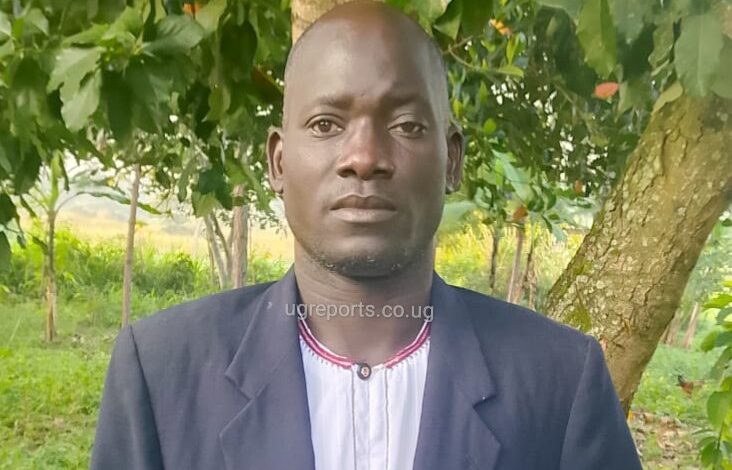
The message was delivered by Denis Kisembo Ochola Ateenyi Musiita, the Prime Minister of Paluo (Chope) Tekwaro, at the institution’s cultural headquarters in Katulikire Trading Centre, Kichwabugingo Sub-county, Kiryandongo District.
Kisembo said the Chope cultural leader, His Royal Highness (Dabanda) Odong David Dayamu Cootye Ateenyi, was saddened and shocked by the death of King Oyo.
He described the late monarch as a unifier who worked closely with his people, other cultural leaders and the Central Government.
“The death of King Oyo is a terrible blow not just for the Babito royal household and Tooro Kingdom, but the whole country at large,” Kisembo said.

Historical link between Chope and Babito
Kisembo also highlighted what he described as the historical connection between the Babito royal clan and the Paluo people of Western Uganda, saying the Babito are linked to Luo origins and ancestry.
He said the Joo-Bito trace their origins to the great Luo dispersal across the Great Lakes region of East Africa.

According to Kisembo, as the Bachwezi Empire weakened because of internal strains, cattle disease and shifting political control, local traditions hold that power gradually shifted to the incoming Babito lineage.
He explained that the Paluo, a Luo group that separated from other Luo communities, moved from Te-Kidi, present-day Bukidi in northern Uganda, and settled under a Nilotic shrine known as Yen-Bito, or Kituba, on the northern banks of the Nile, giving rise to the name Joo-Bito.
Kisembo said the Joo-Bito, led by Labongo Rukidi, moved southwards across the Nile following the disappearance of the Chwezi rulers and established the Kitara Empire.
“When the Luo Joo-Bito took over from the Bachwezi, the empire of Kitara started to gradually break away into small states due to its vastness,” he said.
He further said that in the late 18th century, a Luo-Bito prince, Kaboyo Olimi, son of Omukama Nyamutukura Kyebambi, broke away from the central Luo authority in Bunyoro-Kitara and established the independent Tooro Kingdom under the Babito-Luo line.
Chope cultural heritage
The Chope, also known as Bachope or Paluo, are traditionally regarded as the original inhabitants of the greater Kibanda areas of Kiryandongo and Masindi districts, with communities also found in other parts of Uganda.
King Oyo Nyimba Kabamba Iguru Rukidi IV was born on April 16, 1992, and became Omukama of Tooro at the age of three following the death of his father, Omukama Patrick David Matthew Kaboyo Olimi III, on August 26, 1995.
His death has attracted messages of condolence from cultural institutions, political leaders and members of the public across Uganda.
Do you have an advertisement or article you want to publish? Mail us at theugreports@gmail.com or WhatsApp +256757022363.