30% of wetlands in Masindi degraded as Kinyara joins restoration efforts
She identified Bwijanga as the most degraded sub-county, citing poor drainage, pollution and siltation associated with sugarcane transportation and loading activities.

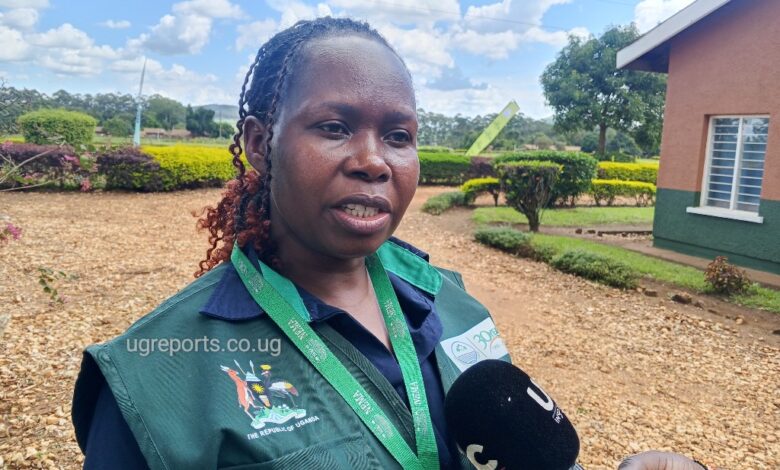

Masindi: At least 30% of wetlands in Masindi District have been degraded, prompting district authorities, Kinyara Sugar Limited and environmental conservation partners to step up efforts to restore the affected areas.
Simon Akweteireho, the Masindi District Natural Resources Officer, disclosed this during a one-day sensitisation meeting on planned wetland restoration activities held at Kinyara Sugar Training Centre on Wednesday.
The meeting brought together representatives of the Masindi Sugarcane Growers Association Limited (MSGAL), district leaders, Kinyara Sugar Limited management, the Jane Goodall Institute and the National Environment Management Authority (NEMA).
Akweteireho identified Bwijanga, Budongo, Pakanyi, Kimengo and Kijunjubwa as some of the sub-counties most affected by wetland degradation.
He said the district was working with the Ministry of Water and Environment and development partners to restore degraded wetlands through catchment management plans for the Kafu and Kiha water systems, among other resources.

He added that Kinyara Sugar Limited was supporting restoration activities under the Kiha Stewardship Programme, which has restored about 1,000 hectares of wetlands through demarcation, community wetland management associations and public awareness campaigns.
“We have received support from development partners, including Kinyara Sugar Limited, under the Kiha Stewardship Programme, where we have witnessed the restoration of 1,000 hectares of wetlands,” Akweteireho said.
Olivia Nabukenya, the Masindi District Environment Officer, blamed part of the degradation on unlicensed sugarcane growers who cultivate in wetlands and sell their produce to different factories.

“There is a high rate of wetland degradation in Masindi District, mostly by unlicensed sugarcane growers who degrade the wetlands and sell to other factories,” Nabukenya said.
She identified Bwijanga as the most degraded sub-county, citing poor drainage, pollution and siltation associated with sugarcane transportation and loading activities.
Nabukenya said the district had issued notices and warnings to people occupying wetlands and established catchment management committees to strengthen conservation efforts.
However, she noted that enforcement had been undermined by inadequate funding, limited staffing, political interference and delays in the processing of environmental cases by police and the courts.
She also accused some authorities of shielding wetland encroachers, making it difficult for environment officers to enforce conservation laws effectively.
Nabukenya called for the formation of sub-catchment management committees, the development of wetland action plans and restoration bylaws, and the integration of wetland management into sugarcane growers’ plans.
She urged MSGAL to help address the challenge of unregistered sugarcane growers, whom she said were contributing to environmental degradation.
Christine Ainabyona, the NEMA Assistant Commissioner for the Albertine Graben, urged communities and other stakeholders to take responsibility for protecting wetlands for future generations.
She emphasised that environmental conservation requires collective action from government, private companies, farmers and local communities.
Michael Jurua, the Manager in Charge of Conservation Programmes at the Jane Goodall Institute, called for collaboration among government agencies, the private sector, non-governmental organisations and communities.
Jurua said conservation interventions should also provide alternative livelihoods for communities that have depended on wetlands for decades.
“Local communities need to be provided with alternatives because they have existed with these wetlands for decades. If we are pushing them out of these areas, they should have alternatives,” Jurua said.
He said the organisation was supporting more than 5,000 farmers in the Budongo-Bugoma landscape with alternative livelihood initiatives, including apiary projects, climate-resilient seeds and improved goat breeds.
Robert Atugonza, the MSGAL chairperson, acknowledged the growing problem of wetland degradation in Bunyoro but said sugarcane growers were committed to supporting conservation initiatives.
“We have always supported the idea of conserving the environment. In the past, wetland conservation was better than today. Many farmers are cultivating in wetlands, and as sugarcane farmers, we will not sit aside and watch but take action,” Atugonza said.
He revealed that the association was engaging the Ministry of Trade to address the problem of unregistered sugarcane growers, adding that the ministry was developing software to register farmers online.
Atugonza also called for wetland demarcation and increased community sensitisation, noting that wetland conservation was important in reducing the risk of wildfires during the dry season.
He proposed the establishment of a sugar council to regulate the industry and strengthen environmental protection.
However, Atugonza argued that high taxes on sugarcane were putting pressure on farmers, urging the government to review the tax burden and promote investment in other agricultural enterprises, including coffee, maize and cocoa.
Ravi Ramalingam, the Chief Executive Officer of Kinyara Sugar Limited, said the company was committed to promoting environmentally responsible sugarcane production.
He said 99% of the company’s registered farmers did not cultivate in wetlands and that Kinyara did not register farmers found growing sugarcane in wetlands.
However, Ramalingam acknowledged that unregistered growers remained a challenge because they continued cultivating in protected areas outside the company’s registration system.
The stakeholders called for stronger coordination among district authorities, environmental agencies, sugarcane growers and private investors to ensure that wetland restoration efforts are sustained while communities are supported to adopt alternative livelihoods.
Do you have an advertisement or article you want to publish? Mail us at theugreports@gmail.com or WhatsApp +256757022363.