Opposition leaders in Greater Nebbi call for govt action to address teachers’ grievances
The region’s 59% illiteracy rate is more than double the national average of 26%.


Zombo: Opposition political leaders in the Greater Nebbi sub-region have called on the government to urgently address the long-standing grievances of Ugandan teachers as a nationwide industrial action begins to disrupt education across the country.
The leaders’ concerns echo warnings from education experts who stress that improved teacher remuneration is essential to strengthening Uganda’s struggling education system.
The industrial action, which commenced on Monday, September 15, 2025, coincides with the start of the crucial third academic term often referred to as the promotional term when learners return to sit for examinations that determine their progression to the next academic level.
Opposition leaders warn that the strike will worsen an already dire situation in the West Nile region, where educational outcomes are among the poorest in Uganda.
Recent statistics show that 28.7% of the region’s over three million residents have never attended school, while only 7.8% are literate. The region’s 59% illiteracy rate is more than double the national average of 26%.

Filbert Baguma, General Secretary of the Uganda National Teachers’ Union (UNATU), reaffirmed the union’s position, calling on teachers to remain resolute. He criticized the government for its continued failure to address salary disparities, particularly between science and arts teachers.
“This industrial action is lawful and protected under both Ugandan and international labor laws,” Baguma stated, warning against any form of intimidation or harassment of educators.
Leaders from across Greater Nebbi have raised alarm over the potential long-term impact of the strike on the region’s education system.

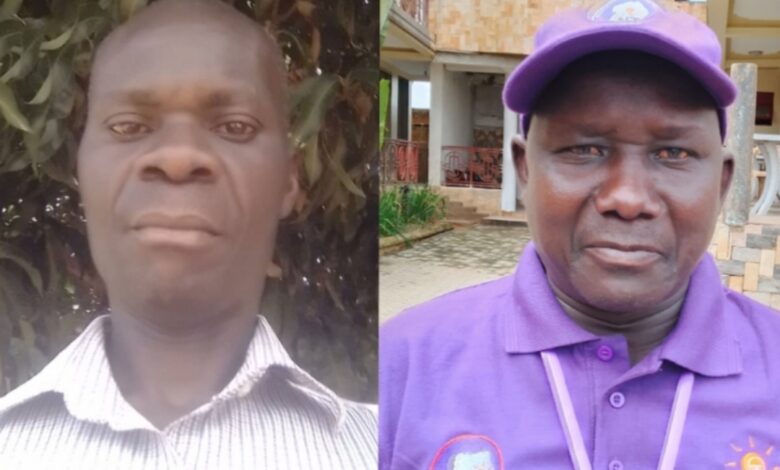
Gilbert Ocan, the Forum for Democratic Change (FDC) chairperson for Pakwach, described the situation as a crisis.
“This is a critical moment, and our schools are closed. Parents are deeply disappointed. We demand that the government sit down, plan, and enhance teachers’ salaries,” Ocan said.
He added that the strike will have devastating ripple effects on a region already plagued by poor academic results.
Francis Bolingo, the opposition coalition leader in Zombo and councillor for Athuma Sub-County, echoed the concerns. After touring several affected schools across Jang Okoro, Athuma, Nyapea, and Abanga sub-counties, he described scenes of empty classrooms and abandoned school compounds.
“I witnessed the dire situation on the ground. As the opposition, we demand a clear response from the government on this industrial action and why they cannot resolve this issue once and for all,” Bolingo said.
Visits to schools such as Mvule Primary School, Oturgang Boys and Girls, Mvungu Upper and Lower Primary, Nguthe, Cana, and Okeyo in Zombo District revealed deserted compounds on a day usually marked by high student turnout.
Stakeholders warn that continued disruption could lead to serious academic setbacks, especially for candidates preparing for promotional and national exams.
While public schools remain closed, private schools continue operating, widening the education gap between those who can afford private learning and those who cannot.
Jerose Adubango, a parent in Alengukuma Cell, Paidha Town Council, voiced concern over the impact on underprivileged families.
“Our children are at higher risk since we cannot afford private teachers for coaching or home learning,” she said.
This strike is not without precedent. In 2022, a similar action ended when President Museveni ruled out salary increases for arts teachers, instead prioritizing science teachers’ pay.
Zombo Assistant RDC Bruno Mananu, who visited several schools on Monday, said he remains hopeful that ongoing government negotiations will yield positive results.
“Some teachers are present, but learners are absent. We pray that the government expedites its engagement to support our learners. This is a critical moment, especially for Primary Seven students, and teachers should act with humanity,” he said.
Zombo RDC Ayikobua Festus called for calm and assured the public that the government is working to address the teachers’ demands.
The strike has thrown the education sector into uncertainty, especially in already marginalized regions like Greater Nebbi, where the cost of inaction could be severe and long-lasting.
Do you have an advertisement or article you want to publish? Mail us at theugreports@gmail.com or WhatsApp +256757022363.