Cultural leadership can help steer Bugisu towards greater prosperity
The increasing visibility of the cultural institution in community affairs demonstrates a commitment to fostering unity and collective progress.

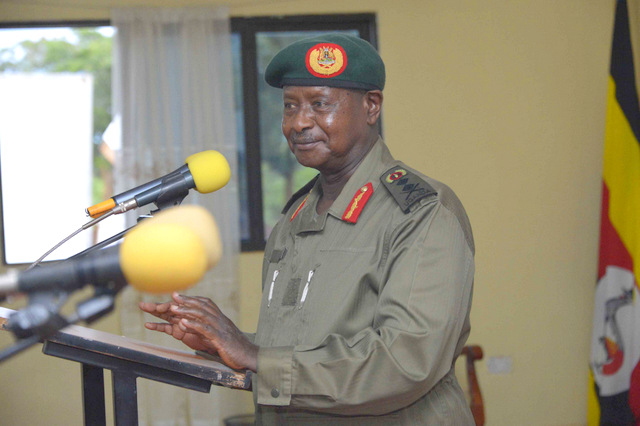

Op-Ed: It is not in dispute that the Bagisu are a hardworking people. Recent remarks by President Yoweri Kaguta Museveni, in which he described the Bagisu as industrious people while expressing concern about some leaders from the region, sparked widespread discussion across the country.
While opinions may differ on the President’s assessment of Bugisu’s political leadership, attention should now shift from political debates to the growing role of cultural leadership in guiding and mobilizing the community.
Having served as spokesperson for the Bugisu Cultural Institution for the last six years, I have had the privilege of closely interacting with our people and understanding their aspirations, strengths, and challenges. This experience has convinced me that cultural institutions have an important role to play in complementing government efforts aimed at social and economic transformation.
Under the leadership of His Highness Jude Mike Mudoma, the Bugisu Cultural Institution has intensified community mobilization initiatives, particularly in education, cultural preservation, and social cohesion. Through engagements in schools and communities, the institution has consistently encouraged learners to complete their education and take advantage of government programs that promote access to learning opportunities.
The Umukuka has also taken significant steps toward uniting the Bamasaba through strengthened clan structures, cultural activities, and community outreach programs. The increasing visibility of the cultural institution in community affairs demonstrates a commitment to fostering unity and collective progress.

Like any growing institution, cultural leadership has attracted both support and criticism. Some individuals may feel uncomfortable with the increasing prominence of cultural institutions, particularly when they become effective mobilizers of communities. However, leadership should not be viewed as a competition. Political and cultural leaders can work together to advance the interests of the people they serve.
A recent meeting between President Museveni and the Umukuka’s delegation in Mbale illustrated the importance government attaches to cultural institutions as partners in community mobilization and development. The cordial engagement reflected the recognition that cultural leaders play a vital role in promoting social stability and development.
Historically, the Bagisu have been known for their resilience, hospitality, and commitment to agriculture. Hard work has always been a central value within the community. Traditionally, idleness was discouraged because productive participation in society was considered essential for personal and communal advancement.

Today, those values remain relevant. As communities face modern challenges, including unemployment, poverty, and social divisions, the principles of hard work, unity, and integrity continue to offer a pathway toward progress.
It is therefore important for the people of Bugisu to embrace messages that promote development, education, and social harmony. Cultural institutions, working alongside government and other stakeholders, can help reinforce these values and inspire future generations.
The future of Bugisu will not be determined by political disagreements alone, but by the collective commitment of its people to hard work, unity, and shared prosperity. By drawing inspiration from the values of our ancestors and supporting institutions that promote positive change, the region can achieve even greater progress in the years ahead.
The writer is Steven Masiga, the Spokesperson of the Bugisu Cultural Institution.
Disclaimer: As UG Reports Media LTD, we welcome any opinion from anyone if it’s constructive for the development of Uganda. All the expressions and opinions in this write-up are not those of UG Reports Media Ltd. but of the author of the article.
Would you like to share your opinion with us? Please send it to this email: theugreports@gmail.com.