Where they learn is where they sleep: The courageous story of Losakucha Primary School
Teachers report higher attendance, improved concentration, and better exam preparedness among boarding pupils.

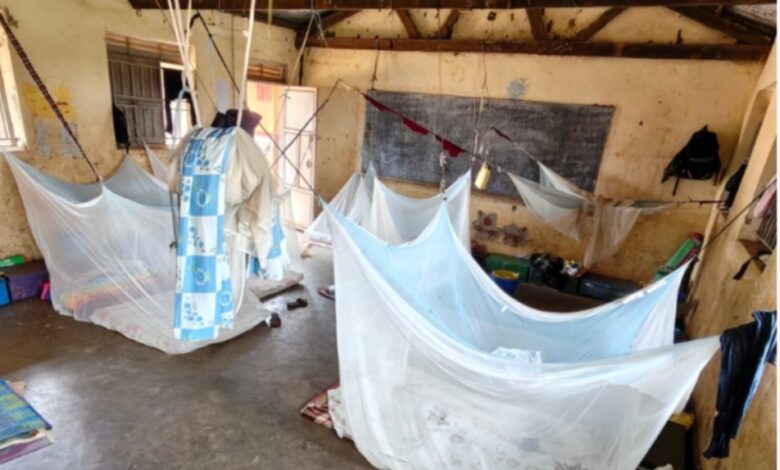

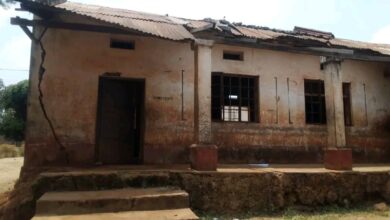
Kotido: A powerful yet painful story of resilience is unfolding in Uganda’s Karamoja Region, where Losakucha Primary School, located in Kapeta Sub-county, Kotido District, is transforming classrooms into makeshift dormitories as it grapples with a growing student population and limited infrastructure.
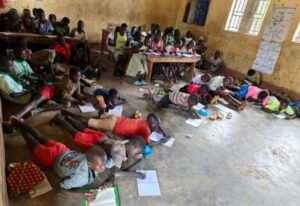
With 1,557 pupils enrolled, including 155 boarding learners, the school is improvising to keep children in school. Desks are pushed aside by dusk, replaced by mats, rags, and torn blankets. By dawn, the same floors are swept and repurposed for lessons a daily cycle that speaks to the determination of a community committed to education against all odds.
“Many children come from villages over 9 kilometers away,” explained Headteacher Akot Susan. “During rains or food shortages, they miss school. Boarding is our only option to help them stay.”
Boarding without beds
Losakucha Primary has no designated dormitories. Yet 155 pupils—88 boys and 67 girls, from Primary Four to Seven remain on site. Among them are 43 Primary Seven candidates preparing for national exams, sleeping in the very classrooms where they learn.

“My blanket is part of my father’s old coat,” said 12-year-old Lokol Joseph, a P.7 candidate. “But I sleep beside my books. That reminds me why I must stay.”
Girls face greater risks. With no space allocated for them to board safely, many are forced to walk home nightly, navigating dangerous, unlit routes.
“We want to board too,” whispered Akeru Agnes, a Primary Six pupil. “But there’s nowhere safe for us.”
Teachers become guardians
The toll isn’t just on pupils. Teachers alternate night shifts, sleeping on benches beside their students. Headteacher Lomuria who often remains on-site overnight—manages not only academics, but food, safety, and emotional support.
“We are more than educators,” he said. “We’re cooks, medics, and guardians. Because the alternative is watching these children give up.”
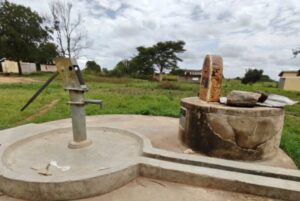
There’s no kitchen, no on-site water tap, and pupils bathe at a community borehole. Meals are often made from food contributed by struggling parents, united by a shared belief that education is a path out of poverty.
Community hope, national gaps
In a show of commitment, Kapeta Sub-county residents donated 20 acres of land to grow food for the pupils. Parents are preparing to clear and plant the land when rains come.
Additionally, the school recently benefited from a UNICEF-funded WASH initiative through the KOICA partnership, which improved water and sanitation access across Karamoja, reaching over 65,000 learners.
But teachers say more is needed. “We’re grateful, but support must go beyond water,” said a senior teacher. “We need buildings. We need dignity.”
Caught between policy and reality
Uganda’s Ministry of Education prohibits the use of classrooms as dormitories, citing risks such as fire hazards, poor hygiene, and overcrowding. Districts like Amolatar have outlawed the practice entirely.
Yet, Kotido officials urge flexibility.
“These schools aren’t defiant they’re desperate,” one official said. “Policy must reflect rural realities. Losakucha isn’t violating the law it’s preserving lives.”
Despite the hardship, Losakucha is thriving academically. Teachers report higher attendance, improved concentration, and better exam preparedness among boarding pupils.
“This isn’t just a sleeping arrangement it’s a lifeline,” said a senior staff member. “These kids remind us every day that education matters. All we ask is that someone shows up for them.”
The children of Losakucha do not ask for pity. They sleep where they learn. They dream among chalk dust. They rise from bare floors and walk proudly into overcrowded classrooms.
Their story is one of grit, sacrifice, and unyielding hope but courage has its limits. And if ever a school in Uganda has earned a dormitory, it is Losakucha Primary.
Do you have an advertisement or article you want to publish? Mail us at theugreports@gmail.com or WhatsApp +256757022363.