Inzuyamasaba speaks out on alleged cannibalism involving Bamasaaba in Kenya
“If indeed cannibalism was the case, why wasn’t the body found in a cooking pot? Why are there no signs of human bones or utensils smelling of human flesh? Preliminary investigations do not support such claims,” he added.

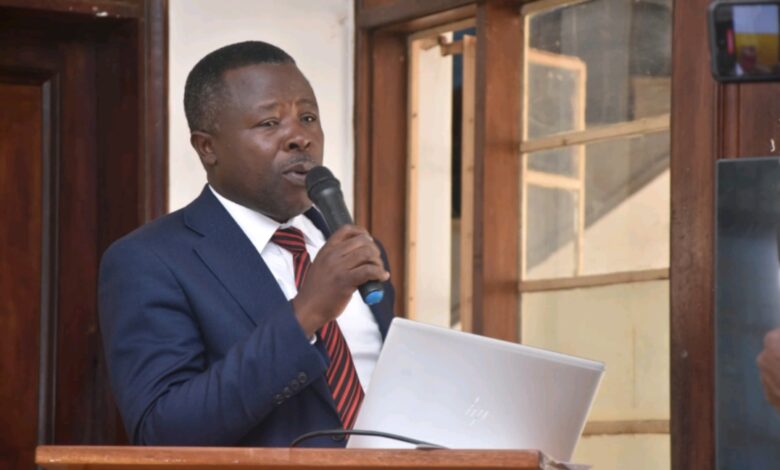

Mbale: The Bamasaaba Cultural Institution (Inzuyamasaba), has strongly refuted allegations circulating on social media and some mainstream media outlets in Kenya that members of the Bamasaaba community have engaged in acts of cannibalism.
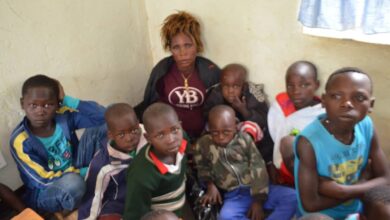
In a press statement released on Thursday July 10, 2025, Steven Masiga, the spokesperson of the institution, expressed shock and concern over a video report that allegedly shows Kenyan authorities arresting a group of Bamasaaba individuals accused of consuming Kenyan infants and school-going children.
“There is no history of cannibalism among the Bamasaaba people ever recorded anywhere,” Masiga stated. “As a cultural institution, we encourage Kenyan authorities to adhere strictly to the legal principle of presumption of innocence as enshrined in both the Kenyan and Ugandan constitutions.”
Masiga quoted Article 28(3)(a) of the Ugandan Constitution and Article 50(2)(a) of the Kenyan Constitution, both of which affirm the right of an accused person to a fair trial and the presumption of innocence until proven guilty.
The spokesperson criticized the tone and approach of the Kenyan police officer seen in the viral video, pointing out that the officer failed to refer to the accused as suspects and ignored the possibility of wrongful accusations.

“What is equally disturbing is the alleged scene of crime. It is highly implausible that someone would commit such an atrocity and keep incriminating evidence such as clothing for ten years,” Masiga said. “In criminology, suspects usually destroy such exhibits first.”
He also raised questions regarding the discovery of a decomposing body near the home of the accused, suggesting it could have been planted to frame them.
“If indeed cannibalism was the case, why wasn’t the body found in a cooking pot? Why are there no signs of human bones or utensils smelling of human flesh? Preliminary investigations do not support such claims,” he added.
Masiga emphasized the need for objectivity and caution in such a sensitive matter, urging that all legal standards and investigative protocols be applied without bias. He reiterated that tribal tensions or local disputes such as over land or relationships could also be contributing factors to the accusations.
“We condemn in the strongest terms any allegations linking our people to cannibalism. Even if such behavior were to be confirmed, it would not be representative of the Bamasaaba culture,” he stressed.
The institution revealed that His Highness the Umukuka, cultural leader of the Bamasaaba, has dispatched a delegation including Deputy Prime Minister Wakhoooli Bifoli and Minister of Culture Hon. Moses Kutoi—to Kenya to investigate the matter thoroughly.
Masiga also appealed to the Bamasaaba community to remain calm and refrain from retaliation, particularly against Kenyans of Pokot origin who may be residing or doing business in Uganda.
“We urge Kenyan authorities to officially brief our institution and allow our legal representatives access to the suspects,” Masiga said. “The Umukuka is assembling a team of lawyers to follow up on the case. If necessary, we are also exploring the possibility of extraditing the suspects to Uganda for trial.”
He concluded by reaffirming that any association of the Bamasaaba with cannibalism is completely unfounded, and that forced police confessions, often obtained under duress, should not be taken at face value.
“We cannot sit idly by as our people are falsely branded with practices alien to our culture,” Masiga asserted.
Do you have an advertisement or article you want to publish? Mail us at theugreports@gmail.com or WhatsApp +256757022363.