Health Ministry launches mass screening to tackle child malnutrition
The screening campaign is expected to deliver essential health services to vulnerable populations, with support from implementing partners and the Ministry of Health.

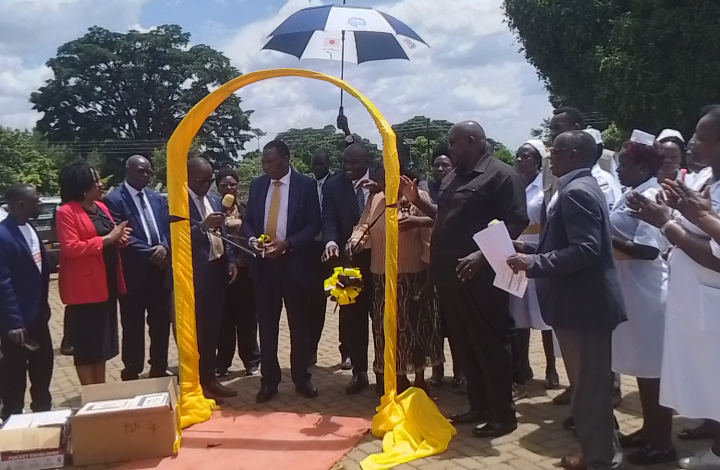

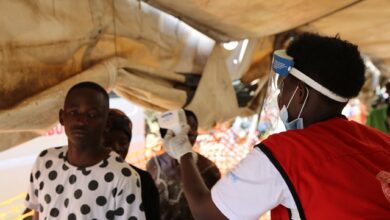
Kiryandongo: Kiryandongo District has launched a mass screening campaign targeting over 167,000 refugees and host community members in an effort to curb rising cases of child malnutrition.
The initiative, led by the Ministry of Health, aims to identify and treat malnourished children aged between 6 and 59 months.
Kiryandongo, one of the 13 refugee-hosting districts in Uganda, is facing increasing pressure on health services due to its rapidly growing population.
Representing the Minister of Health, Dr. Jane Ruth Aceng, Dr. Charles Olaro, Director General of Health Services at the Ministry of Health, emphasized the government’s commitment to addressing the crisis, citing poor feeding practices and limited access to nutrient-rich foods as key drivers of malnutrition.
“The increasing population has put pressure on health services, and reduced funding has significantly increased the risk of death,” Dr. Olara said.

Dr. Samali Namukose, Chief of Nutrition at the Ministry of Health, described the situation as critical, particularly in refugee-hosting communities.
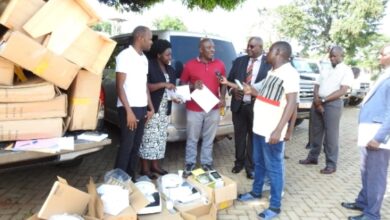
“There is a supply gap from the National Medical Stores in settlements, which has worsened the situation. However, the ministry is working with partners to address this challenge,” she noted.
Health data from Kiryandongo district indicates that the district a population of 375,703, including 167,000 refugees, Malnutrition rate is at 8.0%, above the national average, malaria and pneumonia are the main causes of death, the district recorded 148 cases of measles and 69 cases of mpox.
District leaders pointed to socio-economic and cultural challenges contributing to malnutrition.
Chief Administrative Officer Anthlym Kyaligonza noted that many households are headed by women and children, limiting their ability to provide balanced diets.
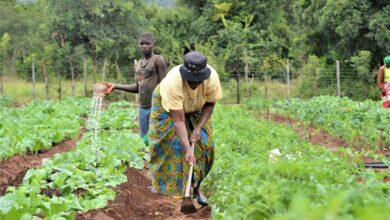
LC V Chairperson Edith Aliguma Adyeeri highlighted issues such as child neglect, early pregnancies, and cultural practices that restrict women from consuming nutritious foods.
“Some cultural beliefs prevent mothers from eating certain foods, which negatively affects child nutrition,” she said.
Jonathan Akweterho, the Deputy Resident District Commissioner called for increased use of government programs like the Parish Development Model (PDM) to sensitize communities on proper nutrition and health practices.
Kiryandongo District Health Officer Dr. Irene Nabitaka emphasized the need for sustainable interventions. “We need strong, healthy, and productive families. Addressing malnutrition requires tackling its root causes, not just treating its effects,” she said.
The screening campaign is expected to deliver essential health services to vulnerable populations, with support from implementing partners and the Ministry of Health.
Do you have an advertisement or article you want to publish? Mail us at theugreports@gmail.com or WhatsApp +256757022363.