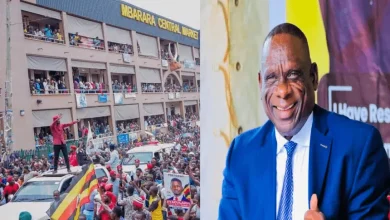
EC engages cultural institutions to boost voter education
He emphasized the need to utilize existing cultural and clan structures to cascade voter education messages deep into the grassroots.



Kampala: The National Electoral Commission (EC) has issued a formal directive to cultural and traditional institutions across Uganda, urging them to collaborate with EC offices at all levels in promoting voter education ahead of the 2026 general elections.
This move comes amid growing concerns about voter apathy and declining participation rates in recent electoral cycles issues highlighted in recent research by various NGOs and government agencies.
Reports have pointed to low voter turnout and a high number of invalid votes, which many attribute to the lack of grassroots involvement in electoral awareness efforts.
In response, Steven Masiga, spokesperson of the Bamasaba Cultural Institution and acting chairperson of all spokespersons of traditional and cultural institutions in Uganda, submitted a letter to the EC on behalf of his counterparts.
In the letter, Masiga requested financial and logistical support to enable spokespersons to mobilize their communities and sensitize citizens on the importance of participating in elections.

In a written response, Mr. Richard Komugisha, Acting Secretary of the Electoral Commission, acknowledged the critical role that cultural and traditional institutions play in society and appreciated their willingness to support civic and voter education.
“We recognize the unique position cultural institutions hold in mobilizing communities. We urge all traditional spokespersons to work closely with regional and district returning officers to promote voter education and encourage participation,” Komugisha stated.
Masiga confirmed that he has since briefed fellow cultural spokespersons from various kingdoms, including Bunyoro, Buganda, Busoga, Tooro, Rwenzururu, and Lango, among others.
He emphasized the need to utilize existing cultural and clan structures to cascade voter education messages deep into the grassroots.
“Cultural institutions have a duty to mobilize their people for national programs, and voter education is one such critical activity. We intend to use radio stations, public gatherings, and other community platforms to roll out this initiative,” Masiga said.
He also encouraged his counterparts to actively engage with EC officials at district and regional levels.
“Let’s use our traditional platforms, including clan meetings and local events, to sensitize the public. We must encourage everyone to take elections seriously and participate actively,” he added.
This partnership marks a significant step toward enhancing civic engagement and reducing electoral malpractices. By involving trusted cultural leaders in the electoral process, the EC hopes to bridge the gap between national institutions and local communities.
The Commission has reiterated its commitment to working with all stakeholders including cultural and religious institutions, civil society organizations, and the media to ensure free, fair, and widely participatory elections in 2026.
Do you have an advertisement or article you want to publish? Mail us at theugreports@gmail.com or WhatsApp +256757022363.