Parents call for mega-renovation of ageing Uringi school infrastructure
Founded in 1968, Uringi Secondary School has educated generations of learners from Greater Nebbi and beyond, offering both Ordinary and Advanced Level education.

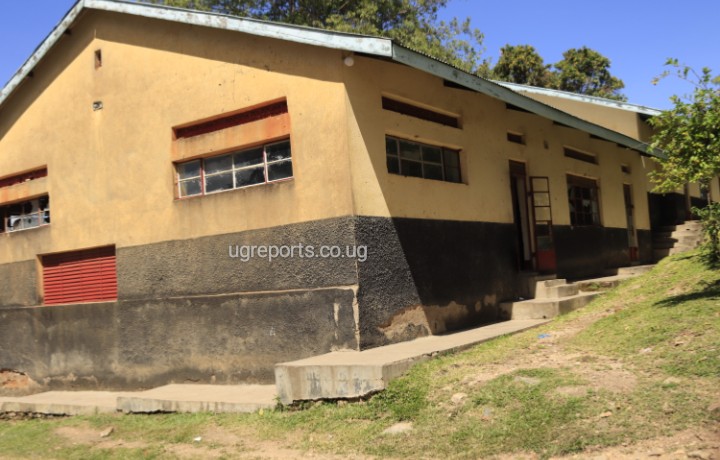

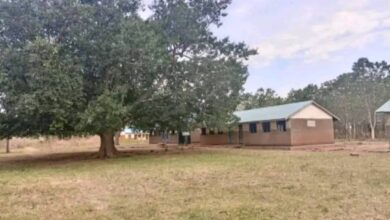
Nebbi: Leaders, alumni, parents and education stakeholders have called for a comprehensive renovation of ageing infrastructure at Uringi Secondary School in Nebbi District, citing deteriorating classrooms, dormitories, laboratories and other facilities that they say threaten learners’ welfare and the school’s academic progress.
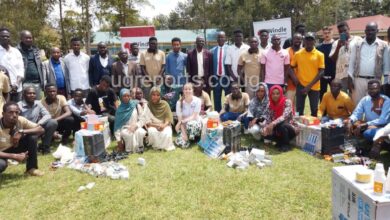
The appeal was made during the school’s 58th anniversary celebrations held on Saturday, October 10, 2026, at its hilltop campus in Jupangira Sub-County.
The event attracted hundreds of former students, community members, parents and education officials who urged government, the Church of Uganda, the school’s foundation body and development partners to jointly mobilise resources for the renovation.
Headteacher Pico Paul Kennedy said the school appreciated the contribution of its foundation body and other partners but noted that many facilities had deteriorated and required urgent attention.
“We want to appreciate the foundation body, Bishop Luke Orombi, for putting some of these facilities, with friends in the UK. However, the challenge is that the facilities now need renovation. I believe if we work together as a team and as stakeholders, we can do this in a phased manner amidst the limited resources,” Pico said.

Founded in 1968, Uringi Secondary School has educated generations of learners from Greater Nebbi and beyond, offering both Ordinary and Advanced Level education.
The Board of Governors Chairperson said the school’s growing enrolment had put additional pressure on the existing infrastructure, which he said was no longer sufficient to accommodate the increasing number of learners.
“When we came as a board three years ago, the enrolment was at 300. But now we are talking about 548. That means the student population and enrolment are increasing. The facilities we have are not enough, including classroom infrastructure, dormitories for accommodation and the library,” he said.

The chairperson urged Nebbi District leaders to prioritise the school’s infrastructure needs, warning that the anticipated increase in enrolment to 700 learners would further strain the available facilities.
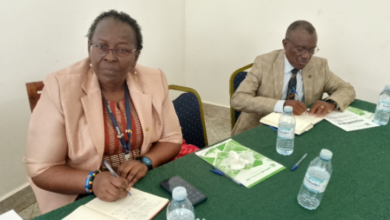
Central Organising Committee Chairperson Elly Aswa also called for coordinated efforts among government, the school administration, alumni and other stakeholders to address the infrastructure challenges.
A member of the Old Students’ Association said an inspection of the school had revealed several structures in need of substantial repairs.
“We have inspected the facilities. Many structures that once stood proudly are now showing serious signs of wear, cracked walls, leaking roofs. A mega-renovation is not a luxury; it is a necessity if we want Uringi to remain a centre of excellence,” the alumnus said.
Learners raise concerns over dormitories, laboratories
The school’s student leaders also appealed for urgent intervention, citing inadequate accommodation, limited learning equipment and concerns about the condition of existing facilities.
Head Boy Mungucangu Ezekiel said the school needed improved dormitories, additional beds, a better-equipped computer laboratory and a modern library.
“For the girls they have challenges with their dormitory; in the boys’ wings we have fewer deckers, and our computer lab has a minimum number of computers and an outdated library that needs a lot of renovation,” Mungucangu said.
He appealed to government and other development partners to support a comprehensive renovation programme.
Head Girl Joan Ayiorwoth said the condition of the school’s facilities had implications for learners’ health and welfare, particularly those staying in the dormitories.
“This is the day for advertising our school, but the school needs renovation. You know the students’ health matters a lot,” Ayiorwoth said.
She added that the ageing girls’ dormitories needed attention to improve privacy, hygiene and the general living conditions of learners.
District leaders promise discussions
In response to the concerns, Nebbi District Education Officer Innocent Openjtho and the district Vice LCV Chairperson pledged to raise the school’s infrastructure challenges with the district administration for consideration.
The Vice LCV Chairperson, who is also an alumnus of the school, said Uringi had contributed to expanding access to secondary education in Greater Nebbi by providing a disciplined learning environment for boys and girls.
The Bishop of Nebbi Anglican Diocese Commissary, the Very Reverend Ephraim Jagen, used his homily to encourage stakeholders to promote the school and support its continued development.
He urged participants “to go back with the good news about Uringi SS.”
The celebrations began with a campfire that brought together former students, current learners and teachers before the main programme, which featured prayers, speeches, entertainment and social activities.
Organisers said the anniversary was both an opportunity for alumni to reconnect with their former school and a reminder of the need to preserve its legacy through investment in modern facilities.
A school with nearly six decades of history
Uringi Secondary School was founded in 1968 by the late Hon. Uringi S.W., who served as State Minister of Health during the first Obote government, with support from the local community in Goli Jupangira.
Residents donated land and participated in constructing the institution’s first classrooms. The school initially operated at the site of the present-day Women’s Vocational Training Centre before moving to its permanent campus on Anguruma Hill.
Over the decades, the school has produced professionals serving in education, government, the clergy, law, journalism, medicine and other fields.
Notable alumni include Professor Openjuru L. George, Vice Chancellor of Gulu University; Dr Joseph Rwothomio, Acting Head of the Department of Educational Planning and Management at Kyambogo University; and the Rt. Rev. Pons Ozelle Awinju, Bishop of Nebbi Anglican Diocese.
The school has also maintained a reputation for academic performance, particularly at Advanced Level. Pico said the institution performed well under the district quota system in 2025, securing half of the available slots.
Uringi is among the longstanding secondary schools in Greater Nebbi, alongside St. Aloysius College Nyapea, Angal Secondary School and Warr Girls Secondary School.
The October 10 celebration was the school’s first major anniversary event since the “Uringi at 50” celebrations in 2018.
Organisers announced plans to make the anniversary an annual event, creating opportunities for resource mobilisation, mentorship and the preservation of the school’s history.
Stakeholders now hope the renewed commitment from alumni, government and community leaders will translate into concrete renovation projects to improve the learning environment and safeguard the future of the institution.
Do you have an advertisement or article you want to publish? Mail us at theugreports@gmail.com or WhatsApp +256757022363.