Alur Kingdom pledges stronger partnership with Government to End HIV by 2030
"Cultural and traditional leaders remain critical partners in delivering HIV prevention messages, reducing stigma and ensuring communities embrace HIV testing, treatment and positive living," Tom Etii said.


Zombo: The Alur Kingdom has committed to strengthening collaboration with the Uganda AIDS Commission (UAC) and government ministries to accelerate HIV prevention efforts and help end AIDS as a public health threat in Uganda by 2030.
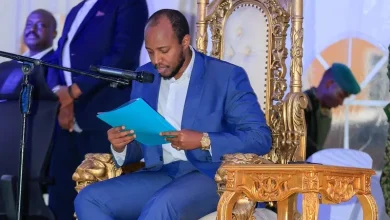
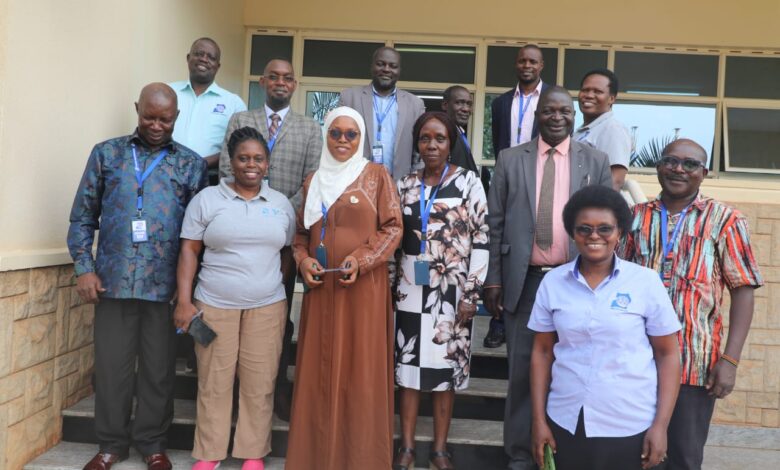
The commitment was announced by the Alur Kingdom’s Prime Minister (Jadipu), Prince Lawrence Opar Angala, who also serves as Vice Chairman of the Council of Traditional Leaders in Africa (COTLA) Uganda Chapter, during a one-day workshop organized by the Uganda AIDS Commission for selected cultural and traditional institutions in Kampala.
Prince Opar welcomed the government’s commitment to support cultural institutions in implementing the National HIV and AIDS Action Plan for Cultural Institutions and Traditional Leaders (2024/25–2029/30).
“We welcome the government’s commitment to provide holistic support to cultural institutions so that together we can successfully implement the National HIV and AIDS Action Plan and contribute to ending AIDS as a public health threat by 2030,” Prince Lawrence Opar Angala said.
He noted that the Alur Kingdom remains committed to working closely with government agencies to promote HIV awareness, prevention, testing and treatment across its communities.

The Prime Minister acknowledged that the Kingdom continues to face significant challenges in combating HIV, particularly among adolescent girls and young women.
According to Prince Opar, these challenges include limited awareness, stigma surrounding HIV, peer pressure leading to risky sexual behaviour, low HIV testing due to fear of positive results, poverty that fuels transactional sex, substance abuse, myths about HIV transmission, and inadequate parental guidance on sexual and reproductive health.
He also highlighted several cultural practices that may increase vulnerability to HIV transmission if not properly addressed.

“High-risk cultural practices such as prolonged traditional marriage ceremonies, fishing expeditions, ritual piercings using shared instruments, blood brotherhood rituals, widow inheritance without prior HIV testing, forced marriages and large night gatherings continue to increase vulnerability despite our cultural strengths,” he said.
Prince Opar emphasized that the Kingdom’s response aligns with strategies introduced by the Ministry of Health in 2025, including preventing child marriages, expanding HIV awareness campaigns, engaging young people, promoting HIV testing, supporting government programmes, encouraging positive cultural practices and empowering communities economically.
The Alur Kingdom was among several cultural institutions, including Buganda, Bunyoro-Kitara, Busoga, Rwenzururu and Tyeng Adhola, that shared experiences on addressing HIV and tuberculosis, supporting family-based HIV prevention and protecting adolescent girls and young women.
Representing the Uganda AIDS Commission Director General, Mr. Tom Etii, Director of Partnerships, said HIV prevalence continues to decline in many parts of Uganda and urged cultural leaders to take a leading role in implementing the national action plan.
“Cultural and traditional leaders remain critical partners in delivering HIV prevention messages, reducing stigma and ensuring communities embrace HIV testing, treatment and positive living,” Tom Etii said.
The five-year action plan, jointly developed by the Uganda AIDS Commission and the Ministry of Gender, Labour and Social Development, seeks to integrate HIV prevention into cultural leadership structures while addressing harmful cultural practices and strengthening positive traditions that promote healthy communities.
Speaking at the workshop, Mr. Evaristo Kyalimpa, Senior Culture Officer at the Ministry of Gender, Labour and Social Development, commended cultural institutions for their grassroots influence and urged them to fully embrace the action plan.
“Cultural institutions have enormous influence within communities and must fully internalize the Action Plan to ensure effective implementation at the grassroots,” Kyalimpa said.
The Action Plan aims to improve access to culturally appropriate HIV prevention messages, increase demand for HIV treatment and care services, strengthen social protection for vulnerable groups, build the capacity of cultural leaders and challenge socio-cultural practices that fuel HIV transmission.
Implementation will be coordinated through structures such as the Uganda Kings and Cultural Leaders’ Forum, the Prime Ministers’ Forum, Elders’ Forums and clan leadership systems, with the Council of Traditional Leaders in Africa providing strategic coordination.
COTLA Chairman Mr. Obbo Josel Richard praised the workshop for bringing cultural institutions together to harmonize strategies in the national HIV response.
According to the Uganda AIDS Commission, the West Nile region has an HIV prevalence of 2.3 percent, compared to 7.5 percent in South Buganda.
Nationally, Uganda has approximately 1.52 million people living with HIV, records about 37,000 new infections annually, while AIDS-related deaths have declined to about 20,000 each year. The country has also made significant progress toward the global 95-95-95 HIV targets, with 94 percent of people living with HIV aware of their status, 90 percent receiving antiretroviral treatment, and 96 percent achieving viral suppression.
Health officials say the renewed partnership between government and cultural institutions is expected to strengthen community-led HIV prevention efforts and accelerate Uganda’s goal of ending AIDS as a public health threat by 2030.
Do you have an advertisement or article you want to publish? Mail us at theugreports@gmail.com or WhatsApp +256757022363.