Bugisu Cultural Institution Embarks on Legal Cultural Education
Nevertheless, I commend you for bringing your concerns to the officials of the Bugisu Cultural Institution for redress.

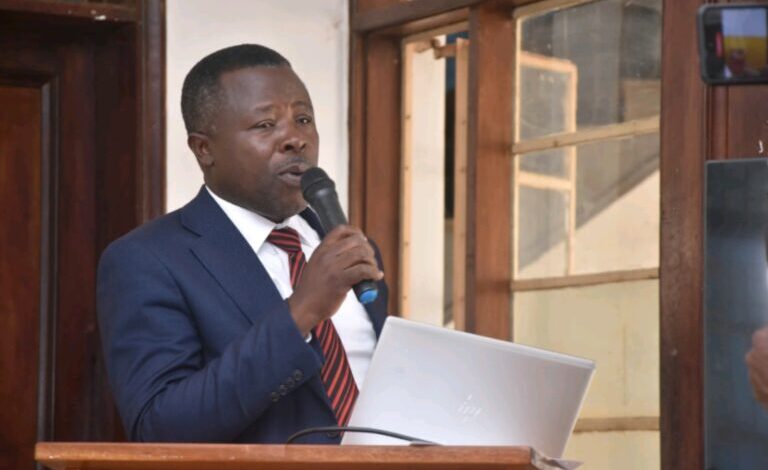

By Steven Masiga, Spokesperson, Bugisu Cultural Institution
Engineer Sakwa and colleagues,
I’ve been a little busy, but I’d like to share a few reflections on the pre-independence constitution of Uganda.
The pre-independence constitution, drafted around 1961, was a significant step in Uganda’s journey toward self-governance. It was a product of Ugandan minds, not just a relic of colonial orders. Indeed, while earlier legal instruments such as the 1902 Orders in Council were administrative tools introduced by the colonial government, the 1961 constitution was a Ugandan-led initiative.
Among the contributors to the constitutional process were prominent figures, including some from the Bamasaaba community. Notable names in the London drafting sessions included Professor Katamba from Bunyoro, Mwambale, and Edward Othio from Karamoja. Political representation came from both the Democratic Party (DP) and Uganda People’s Congress (UPC).
DP, at the time, opposed the inclusion of a Kabaka clause similar to how some now oppose recognition of His Highness the Umukuka. Interestingly, Buganda later abandoned its pursuit of that clause.

During this drafting process, approximately 110 Ugandans participated, although the number fluctuated. This was a clear sign that the British government had lost the will to continue direct rule over Uganda and was laying the groundwork for independence.
I’m troubled that some wish to gloss over this significant constitutional milestone. It’s important to remember: Uganda’s constitution was drafted by Ugandans. It wasn’t simply imposed by colonial decree.
Now, regarding the question of how the Minister of Gender acquired the power to rename Inzu Ya Masaba to the Bugisu Cultural Institution:
As a lawmaker who was part of the Constituent Assembly, you are fully aware that ministers are empowered under statutory instruments to effect changes within their legal purview without necessarily going through Parliament.
That is the legal foundation upon which Hon. Minister of Gender, Betty Amongi, relied. She exercised her authority under Article 10(A) of the Constitution of Uganda, issuing a corrigenda that legally changed the name.
No one formally contested this corrigenda.
Similarly, during the 1994 Constituent Assembly where you and Hon. Simon Mulongo were present there was an opportunity to challenge or amend the classification of the Bugisu tribe.
The term “Bugisu” was already established in the 1962 Constitution. You had the locus standi to propose a change from “Bugisu” to “Masaba” but chose silence then. Raising the matter now seems like closing the stable after the horses have already bolted.
Nevertheless, I commend you for bringing your concerns to the officials of the Bugisu Cultural Institution for redress. Dialogue remains essential.
Do you have an advertisement or article you want to publish? Mail us at theugreports@gmail.com or WhatsApp +256757022363.