Ten reasons why government changed Inzu Ya Masaaba to Bugisu Cultural Institution
The conversation must now shift to unity and legality, recognizing that the law leads in the creation and management of cultural institutions in Uganda today.


Op-Ed: In recent times, the Ministry of Gender, Labour and Social Development gazetted a corrigendum that officially referred to the cultural institution in our region as Bugisu Cultural Institution rather than the previously known Inzu Ya Masaaba.
This action sparked some debate among a section of the elders and the public. However, the change is rooted in law, constitutional precedent, and administrative clarity. Below are ten key reasons why the government made this shift:
1. Legal Clarity under Article 246 and the Cultural Leaders Act (2011)
The Ugandan Constitution (Article 246) and the Cultural Leaders Act of 2011 provide the legal framework under which cultural institutions must operate. These laws recognize institutions based on tribes or ethnic groups as per historical and constitutional recognition in this case, “Bugisu” is what is constitutionally referenced.
2. Historical Constitutional Reference (1962 Constitution)
The 1962 Constitution referred to the area and people as Bugisu, and this reference was maintained in Article 10(a) of the current Constitution. From a legal standpoint, “Bugisu” is the name recognized both historically and legally.

3. Administrative Consistency
Bugisu has long been an administrative region, with Mbale as its headquarters. Aligning the cultural institution’s name with the administrative and historical context promotes consistency across legal, administrative, and cultural documents.
4. Corrigendum to Correct Legal Errors

The recent statutory notice published by Hon. Betty Amongi was intended to correct inaccuracies in names of traditional leaders and their institutions across the country. No one from Bugisu challenged this corrigendum during the legally provided time window, so it took effect legally and unopposed.
5. Failure to Contest the Gazette
Legally, once a government gazette is published, it can only be contested within a specific timeframe. In Bugisu’s case, no elders or institutions legally contested the name change, and therefore the corrigendum is binding.
6. Foundational Errors in Inzu Ya Masaaba’s Registration
Inzu Ya Masaaba was originally registered under the Companies Act by a group of elders before there was legal provision for cultural institutions. This means its foundation lacked the proper legal basis now required under current constitutional and statutory law.
7. Precedent of Degazetting Cultural Leaders
In 2014, the late Hon. Mary Karooro Okurut degazetted several cultural leaders across Uganda for using fictitious titles or not aligning with legal requirements. This set a precedent that government maintains regulatory authority over cultural institutions when they go off course.
8. Resistance from a Small Group of Elders
The resistance to the change is primarily from a few elderly individuals who initiated the early cultural efforts. While they must be appreciated for their role, the modern framework must now follow national law, not personal or private associations.
9. Names Must Reflect Legal and Cultural Reality
Names like “Inzu Ya Masaaba” were adopted more recently and may not reflect the formal legal identity of the people as outlined in constitutional documents. “Bugisu” is a tribal identifier, not just a colonial label, and is the one with historical legal continuity.
10. Government is Aligning Culture with Law
Culture cannot exist outside the law in a structured society. While culture originates from the people, its formal recognition must go through legal channels. The government’s move ensures that no individual or group “pockets” a cultural institution for personal control.
The change from “Inzu Ya Masaaba” to “Bugisu Cultural Institution” is not an attack on identity, but rather a return to legal and historical grounding. The conversation must now shift to unity and legality, recognizing that the law leads in the creation and management of cultural institutions in Uganda today.
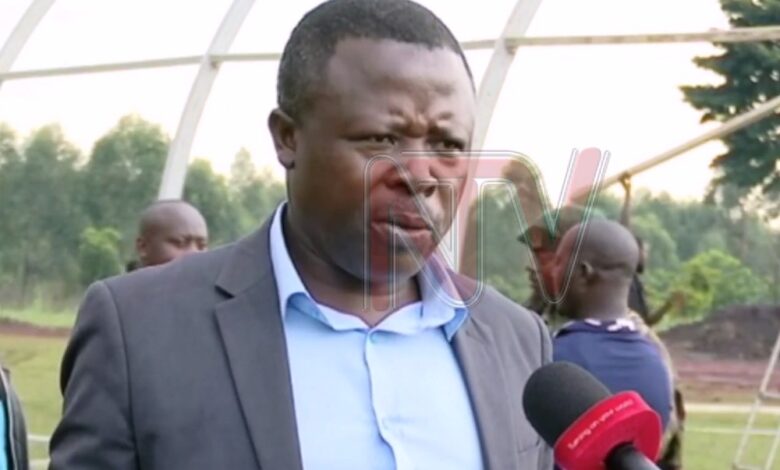
The author is Steven Masiga, the Spokesperson, Bugisu Cultural Institution
Disclaimer: As UG Reports Media LTD, we welcome any opinion from anyone if it’s constructive for the development of Uganda. All the expressions and opinions in this write-up are not those of UG Reports Media Ltd. but of the author of the article.
Would you like to share your opinion with us? Please send it to this email: theugreports@gmail.com.