Karamoja roads collapse under torrential rains
These aren’t isolated incidents they’re daily realities.

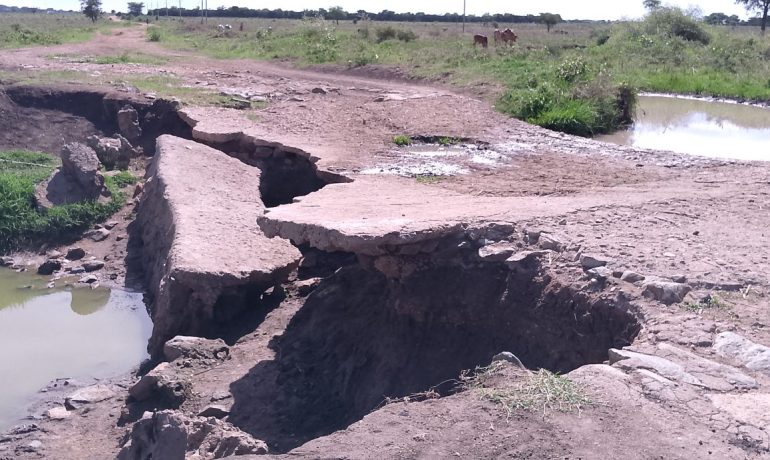

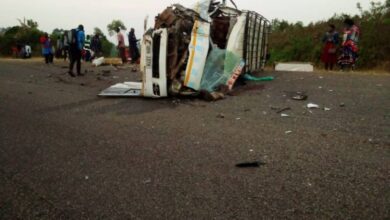
Karamoja: As relentless rains pound Karamoja, the region’s fragile road network is crumbling transforming daily travel into a test of endurance.
What began as seasonal rainfall has spiraled into a full-blown humanitarian and economic crisis, laying bare not only the vulnerability of local infrastructure but also the resilience of communities and the silence of national leadership.
Once a smooth three-hour drive, the Kotido–Lira route now stretches to a grueling seven-hour ordeal. Drivers navigate flooded roads and dodge potholes that resemble craters. The 66-kilometer Kotido–Kaabong road can take up to four hours to traverse.
“I spent the night inside a bus with my children. No one came to help. We lit a candle and prayed the road wouldn’t wash away,” recalls Margaret Lokwama, a fruit vendor stranded between Kotido and Moroto.
These aren’t isolated incidents they’re daily realities.

Local markets are collapsing under the weight of delayed produce deliveries. Fresh goods from Mbale and Soroti arrive bruised, rotten, and unsellable. Zaituna Mazibo, a vendor at Kotido Main Market, watches profits wither.
“The lorry used to take one day. Now it takes three. I lose money, customers, and my reputation,” she says, lifting a rotting banana.
For small traders, the losses are staggering estimated at over UGX 700,000 per week. The economic ripple is far-reaching.

In Kaabong, the situation is dire. Ambulances are turning back, bridges are submerged, clinics lack both staff and medicine. Pregnant women are stranded. Children suffering from malaria often arrive too late to be treated.
“We lost a child last month because the ambulance couldn’t cross a bridge,” whispered one nurse tearfully.
Schools are affected too. In Rengen Sub-county, students walk barefoot through flooded, muddy paths risking infections and injuries just to attend class.
Transport companies are stretched to the brink. HMK Bus Company reports skyrocketing fuel costs and increasing delays. Drivers now hire local residents to help push stranded buses through thick mud.
“We don’t run a bus company anymore we run a rescue operation,” said manager Abdallah Okello.
Without urgent intervention, many transport operators say they will be forced to suspend services.
Despite repeated appeals, the Ministry of Works and Transport remains silent. President Museveni’s promises to tarmac roads in Karamoja remain unfulfilled, deepening the sense of neglect.
In response, local communities are stepping in. Youth groups and volunteers patch roads with gravel, dig makeshift trenches, and coordinate self-help repair brigades.
“We patch potholes with gravel from nearby hills. But it washes away the next day. We need help not just promises,” said Lokwi Romano, a youth leader in Kotido.
This crisis goes beyond transport. It’s about dignity, equity, and national accountability. Karamoja’s people have shown strength and self-reliance but resilience should not be the price of survival.
Do you have an advertisement or article you want to publish? Mail us at theugreports@gmail.com or WhatsApp +256757022363.