The crucial role of a spokesperson: A cultural and historical reflection
Both were spokespersons of their divine missions, speaking truth to power, often facing hatred and persecution.


Op-Ed: Spokespersons are both megaphones and listening posts of the organizations they represent. Their role is vital serving not just as communicators but as defenders of institutional integrity, values, and truth.
They must have their “antennas” connected everywhere, tuned into public discourse, and always ready to counter misinformation or misrepresentation.
At the same time, they communicate organizational strategies, policies, and achievements to the outside world.
Historically, I regard Jesus Christ as one of the earliest and most powerful spokespersons. He spoke on behalf of a divine cause sent to preach, represent, and defend the Kingdom of Heaven. Similarly, Prophet Muhammad (Peace Be Upon Him) communicated the message of Islam to his people, often at great personal risk. Both were spokespersons of their divine missions, speaking truth to power, often facing hatred and persecution.
Spokespersons, whether religious or institutional, can be loved or hated in equal measure. Regardless of public opinion, one must remain passionate and grounded in the cause they represent. A spokesperson must possess in-depth knowledge of organizational policies, legal frameworks, and communication protocols. Without this mastery, their authority weakens.

Spokespersons face challenges some fatal. During the Iraq War, the official government spokesperson was targeted by the U.S. and went into hiding after Saddam Hussein’s fall in 2003.
Years later, his name was removed from the list of wanted persons after it was acknowledged he was simply doing his job.
Similarly, in the Democratic Republic of Congo, the spokesperson of the M23 rebel group was sanctioned by the West, not for committing crimes, but for representing the group’s agenda.
Who is a spokesperson?
According to Black’s Law Dictionary, a spokesperson is “a person who speaks on behalf of an organization and conveys information, opinions or statements to the public.” An online legal dictionary adds that a spokesperson is “a well-known person serving as a regular voice for a cause.”
Whether speaking for the military, cultural institutions, police, or government, the spokesperson is the official voice of their entity. Their words hold weight and reflect official positions on policies, programs, and crises.
At the height of a crisis say, the sacking of a senior official a good spokesperson must exhibit media tact, emotional intelligence, and crisis communication skills to de-escalate tensions. Public relations becomes a shield, and clarity becomes a sword.
My experience in Bugisu Cultural Institution
When the Ugandan government corrected the name of our cultural institution from Inzu Yamasaba (a company name) to the rightful Bugisu Cultural Institution, some tried to blame this corrigenda on our current leadership under the Umukuka.
As the spokesperson, I used various platforms including UBC TV, Daily Monitor, UG Reports and The Ankole Time to clarify that such changes can only be effected by the Minister of Gender, as mandated by Article 10 and Schedule 3 of the Constitution of Uganda.
Through press releases, radio talk shows, and direct engagement with the public, we effectively communicated the legal facts. The public listened and understood our position.
A good spokesperson must also counter malicious groups that seek to mislead the public. I recall when Dr. Khisa launched a serious attack on the person of the Umukuka. I responded with equal firmness defending our cultural leader’s dignity until Dr. Khisa issued an apology to His Highness.
To perform this role well, a spokesperson needs; media skills, legal knowledge, writing proficiency ,a broad understanding of social and political issues, respect and credibility within the community.
A spokesperson must be respected, pro-people, and media-savvy. Continuous training is essential. Public trust hinges on their integrity, not just their eloquence.
In 2020, when the current Umukuka faced leadership challenges, he reached out to me through intermediaries to promote his rightful leadership using my media networks. I took on the task. In 2023, he was officially gazetted as the Umukuka.
Today, he continues to serve the Bamasaaba with passion, launching education campaigns and community projects. I personally engage students at primary, secondary, and university levels to champion the value of education.
Being a spokesperson is not merely about speaking it’s about being the voice, ears, and conscience of the organization. It is about loyalty, courage, and clarity in the face of confusion. In times of crisis or celebration, the spokesperson stands as the public face of institutional truth.
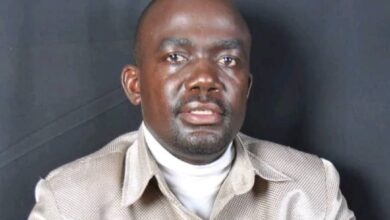
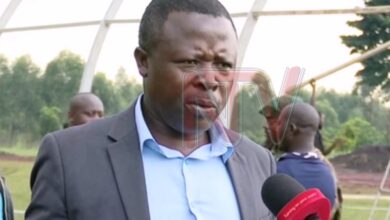
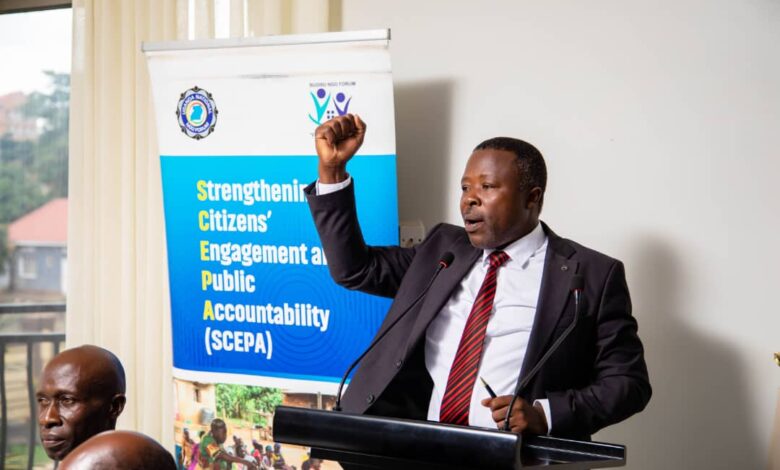
The author is Steven Masiga, the spokesperson of the Bugisu Cultural Institution and an advocate for cultural preservation, education, and responsible public communication.
Disclaimer: As UG Reports Media LTD, we welcome any opinion from anyone if it’s constructive for the development of Uganda. All the expressions and opinions in this write-up are not those of UG Reports Media Ltd. but of the author of the article.
Would you like to share your opinion with us? Please send it to this email: theugreports@gmail.com.