The climate catastrophe in northern Uganda should be a wakeup call to us
The situation is caused by the wetlands encroachments, poor agriculture practices such as overgrazing and over cultivation on steep slopes, unregulated charcoal burning.

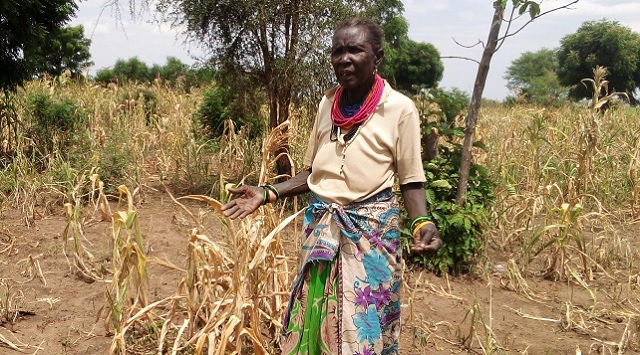

Op-Ed: While Uganda’s natural climatic is moderate, some parts of the country are still experiencing increased frequency and severity of climate change.
The media reported that since August this year, residents of Aduu village, Amuria parish in Alebtong district, has been facing heavy rainfall, leading to losses of lives, properties and displacing communities.
It is noted that the bridges linking communities to health centres and schools, water supplyand latrines, have also been damaged while livelihoods have been severely affected as crop gardens remain submerged.
It is being said according to the media, that the situation is caused by the wetlands encroachments, poor agriculture practices such as overgrazing and over cultivation on steep slopes, unregulated charcoal burning which has led to the cutting down of several trees hence reducing the soil ability to absorb water, increasing surfacerunoff and flood risk in the area
According to Advocates Coalition Development and Environment (ACODE) studies, Uganda is the 40th most vulnerable nation to climate change due to its high dependence to natural resources and fossil fuels and the northern region has not been spared from these climate effects because the region is partly being blamed for charcoal burning, poor methods of farming among others,struggling to get enough food, water and pastures for their animals, as the area is known of the growing of food insecurity, poor water quality among others

Despite the country’s disaster recurring year after year, the government’s response has been slow and fragmented, residents in northern Uganda have appealed for help but the request remains unmet. The suffering in the region cannot be viewed as a mere fortune, it is the consequence of environmental mismanagement and institutional failure.
A hundreds of people in north remain displaced, crops destroyed, health centers and schools flooded, yet we continue to rely on reactive crisis rather than durable solutions. What is happening in Alebtong is not just a local problem, but a sign or lesson for every Ugandan to take urgent action against climate change before it worsens
The Alebtong district, like any other parts of the country affected by climate change, needs targeted and comprehensive interventions such as investing in early warning systems, wetland restoration, building embankments, strengthening climate resilient agriculture through introducing flood-resistant crops, agroforestry and sustainable farming techniques to help farmers adapt to erratic weather patterns.
The government also needs to sensitize the residents in Aduuvillage on clean energy such as solar, briquettes among others and improve on the access to reducethe reliance on deforestation for firewood and charcoal.
In addition to the above, there is a need to implement tree planting initiatives in Aduu village, Alebtong district to restore degraded landscapes and conserve wetlands as they act as natural buffers against floods and drought, strengthen social protection systems, promote sustainable livelihoods and enhance natural resource management among others.
The author is Olive Atuhaire, AFIEGO Research Associate.
Disclaimer: As UG Reports Media LTD, we welcome any opinion from anyone if it’s constructive for the development of Uganda. All the expressions and opinions in this write-up are not those of UG Reports Media Ltd. but of the author of the article.
Would you like to share your opinion with us? Please send it to this email: theugreports@gmail.com.