Buliisa to demarcate 104km of wetlands in bid to curb encroachment
The four wetland systems include Waiga, covering 35 kilometres and passing through Kataleba, Waiga and Kabolwa villages.


Buliisa: Four wetland systems covering a combined 104 kilometres are set to be demarcated in Buliisa District in a move aimed at protecting wetlands, seasonal streams and floodplains from encroachment.
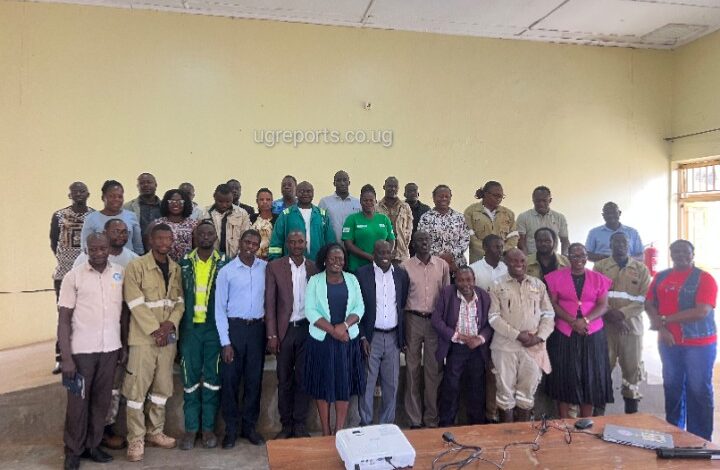
The development was announced during a stakeholder engagement meeting held at the Buliisa District Resource Centre on Thursday ahead of the demarcation exercise.
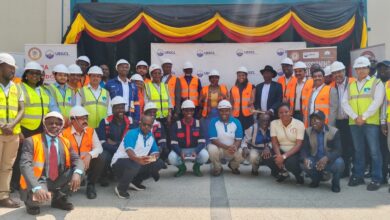
The meeting was organised by Nature Uganda, which was contracted to support stakeholder engagement ahead of the exercise. It brought together officials from the Petroleum Authority of Uganda, National Environment Management Authority (NEMA), Ministry of Energy and Mineral Development, Ministry of Water and Environment, Buliisa District Local Government, Prand Engineering Limited and other technical stakeholders.
Local Council III chairpersons from the affected sub-counties also attended the meeting.
Nangaka Moses, a project planner at Prand Engineering Limited, said the company has been contracted to excavate, fabricate and install concrete demarcation pillars along the identified wetland systems.

He said 1,075 precast concrete pillars will be installed along the 104-kilometre stretch, with the exercise expected to be completed by January next year.
“The project will involve the installation of 1,075 precast concrete demarcation pillars along the 104-kilometre stretch.”
The four wetland systems include Waiga, covering 35 kilometres and passing through Kataleba, Waiga and Kabolwa villages.

Kibambura covers 17 kilometres and includes Kisansya East, Bikongoro, Kisimo, Kizongi, Kakindo and Kibambura villages.
Kasinyi covers 11 kilometres and includes Kisomere, Kasinyi, Mvule One, Pondiga, Gotlyech, Oribo, Kijumbya, Uduk One and Uduk Two villages.
The fourth system, Avogera, covers 41 kilometres and includes Muvulenunda, Ajigo, Kamandidi, Avogera, Kisomere, Kasinyi, Kiyere, Kigwera North East and Kigwera South East villages.
Rogers Tumusiime, the Buliisa District Environmental Officer urged communities to support the exercise, saying extensive sensitisation would be conducted before the demarcation begins.
Tumusiime clarified that the exercise is intended to establish clear wetland boundaries rather than simply remove people from their land.
“Government has no plans to compensate the affected individuals, but we shall give them ample time to shift from the wetland areas in good faith. But if they fail, then government will take action.”
Tumusiime said communities would also be sensitised about the importance of wetlands, including their role in supporting rainfall, protecting the environment and addressing climate change.
Robert Mugume, the Buliisa District Secretary for Works, Production and Natural Resources, who represented the LC5 Chairperson, called for thorough sensitisation of residents.
Mugume warned that the exercise could face resistance because of widespread wetland encroachment in some parts of the district.
“LC3 chairpersons should sensitise their communities so that they do not resist the exercise, since it is a presidential directive on protecting wetlands.”
He particularly urged leaders in areas such as Waiga, where wetland encroachment is reportedly high, to prepare residents for the exercise.
Mark Bikanga, the LC3 Chairperson for Kigwera Sub-county, asked authorities to preserve the traditional names of wetlands, seasonal streams and floodplains during the demarcation.
He cited local names such as Kamunkule and Sambye, saying they are widely known and used by communities.
Bikanga also pledged to sensitise residents in Kigwera, which he said is among the areas most affected by wetland encroachment.
David Mwanjere, a paleontologist from the Ministry of Energy and Mineral Development, said wetland protection is important for conserving ecosystems and addressing the effects of climate change.
He called on the public to support the exercise, stressing that the demarcation is intended to establish clear boundaries for wetland systems.
Meanwhile, Gilbert Ituka, an environmental scientist and researcher associated with the Ministry of Water and Environment, said wetlands help protect communities from floods, filter polluted water and provide habitats for wildlife.
He urged residents in the targeted areas to allow the exercise to proceed so that wetlands can be properly identified and conserved for future generations.
Anke Barahukwa, Senior Programmes Manager and researcher at Nature Uganda, called on local leaders to support community sensitisation and outreach programmes.
She said the sensitisation would focus on the importance of wetland demarcation and laws governing wetlands.
Denis Isingoma, the Buliisa Assistant Resident District Commissioner, urged stakeholders to establish and use the correct local names of wetlands in consultation with community leaders.
Isingoma welcomed the demarcation exercise, saying it was necessary and had taken too long to begin.
He also directed Prand Engineering Limited to ensure that unskilled labour opportunities under the project are given to people from Buliisa as part of local content and corporate social responsibility.
The Assistant RDC added that the RDC’s office would intervene in case of resistance during the exercise.
Do you have an advertisement or article you want to publish? Mail us at theugreports@gmail.com or WhatsApp +256757022363.