Land disputes in Bugisu: Land is not vegetables to be bought from unknown sellers
Cultural institutions must take a proactive role in guiding their communities through mediation processes to overcome this impasse.


Op-Ed: This memorable obiter dictum is attributed to Justice Okello of the High Court in one of the land cases he handled. The statement remains profoundly relevant today, particularly in addressing the persistent land disputes in the Bugisu region.
On behalf of the Bugisu Cultural Institution, I encourage all prospective land buyers to exercise due diligence. This includes ensuring proper documentation, knowing the physical and residential addresses of the land seller, and where possible, securing pictorial evidence during the transaction process.
Such records provide crucial evidence that may be relied upon in the future. As psychology reminds us, human beings are mechanistic and may change their minds at any time. Many land buyers end up entangled in disputes simply because they failed to properly identify or document the seller.
Prince Marchivelle once observed that children may bear with equanimity the loss of their parents, but the loss of their inheritance can drive them mad. Indeed, in Bugisu and elsewhere, land disputes can escalate into extreme conflict and in some cases, loss of life.
I have noted with great concern the rampant land disputes in the Bugisu region. Many of these cases may not be conclusively resolved through courts alone due to factors such as case backlogs and other systemic constraints within the justice system.

A viable alternative lies in Alternative Justice Systems, particularly mediation and arbitration. These mechanisms are well supported by Ugandan law, including the Constitution of the Republic of Uganda, the Arbitration and Conciliation Act (Cap. 5), and provisions within the Land Act that recognize mediation as an option for resolving land disputes.
The Judiciary has made deliberate efforts to promote dispute resolution mechanisms rooted in African traditions, especially in land matters. This is critical because many land conflicts arise within families, particularly in matters of inheritance and bequests.
Other disputes stem from land sales where, after receiving payment, sellers or their relatives later attempt to undermine the transaction. In some communities, land may be sold to an investor only for other family or community members to emerge later and oppose what was, by all intents and purposes, a bona fide transaction.

Public institutions have not been spared either. A notable example is Makerere University and its long-standing land disputes involving the Katanga residents.
Under Section 2 of the Land Act (Cap. 227), subject to Article 237 of the Constitution, all land in Uganda vests in the citizens of Uganda and is owned under the following tenure systems: customary, freehold, mailo, and leasehold.
Common causes of land conflicts in Uganda include corruption, population pressure, displacement, government policy interventions, and lack of proper documentation. Government acquisition of private land for development projects, if not properly handled, has also contributed to disputes.
The most effective remedy to land disputes lies in the increased use of Alternative Dispute Resolution (ADR) mechanisms. Cultural institutions must take a proactive role in guiding their communities through mediation processes to overcome this impasse.
Lawyers, too, must rise to the occasion by advising clients on the benefits of mediation and arbitration instead of defaulting to litigation. Courts and legal practitioners should emphasize mediation over adversarial processes and provide proper guidance on resolving land disputes using tested and available ADR methods.
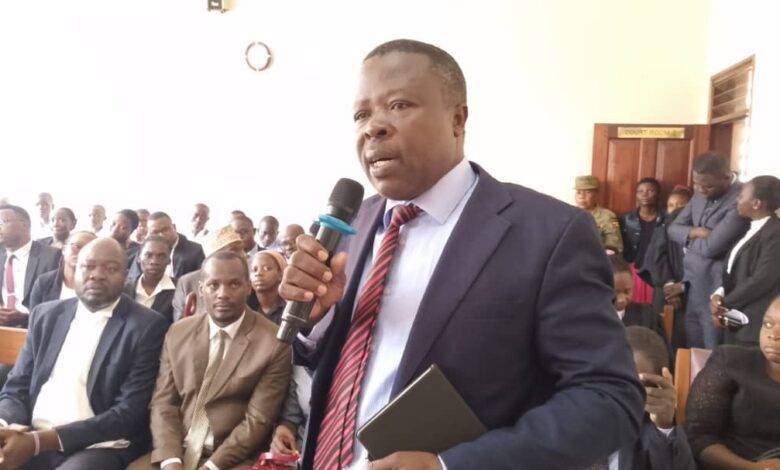
Steven Masiga is the Spokesperson of the Bugisu Cultural Institution and a Master of Laws student.
Do you have an advertisement or article you want to publish? Mail us at theugreports@gmail.com or WhatsApp +256757022363.