Buliisa on high alert over Ebola threat from DRC
Despite the preparedness efforts, Mugabe raised concern over a severe shortage of personal protective equipment (PPE) in the district.

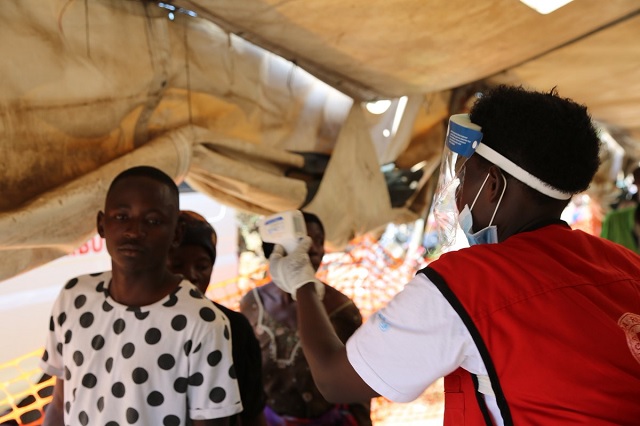

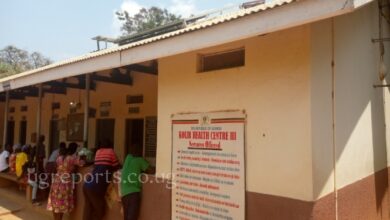
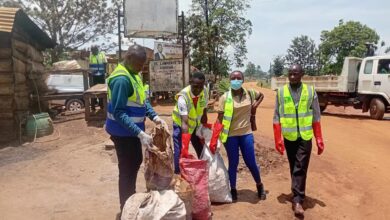
Buliisa: In a bid to prevent the spread of Ebola virus from the Democratic Republic of Congo (DRC) into Uganda through the Buliisa border, the Buliisa District Health Department is on high alert and has trained technical surveillance teams to handle any suspected cases of Ebola Virus Disease (EVD).
Speaking in an interview on Wednesday, the District Health Educator, Robert Mugabe, revealed that so far, 10 frontline health workers have been trained on how to detect and manage Ebola cases.
Mugabe also disclosed that strict screening measures have been implemented at key entry points, including Butiaba, Kabolwa, Walukuba, Bugoigo, and Wanseko landing sites. These checkpoints are being monitored closely to detect symptoms and ensure that any suspected cases are promptly isolated and reported.
“We have put in place surveillance teams to monitor and respond to any Ebola symptoms. But we also call upon the community to stay vigilant,” Mugabe urged.
He encouraged residents to report any suspected cases involving symptoms such as high fever, persistent headache, vomiting, weight loss, unexplained bleeding, and other related signs to the nearest health facilities.

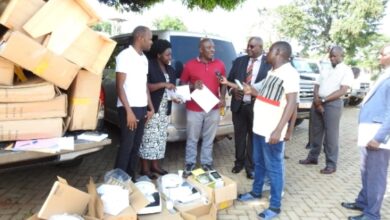
Despite the preparedness efforts, Mugabe raised concern over a severe shortage of personal protective equipment (PPE) in the district.
“The available PPE is insufficient to meet the needs of our frontline health workers. We are therefore appealing to the Ministry of Health to urgently intervene and provide adequate protective gear to safeguard health workers,” he said.
The alert follows recent warnings from the World Health Organization (WHO), which cautioned that the current outbreak in the DRC could escalate. As of last week, 15 people have died due to the Ebola virus in the DRC, heightening fears of a cross-border spread.

About Ebola Virus Disease (EVD)
Ebola Virus Disease is a severe and often fatal illness caused by a virus from the Filoviridae family, genus Ebolavirus. It is classified as a viral hemorrhagic fever and is commonly found in West, Central, and East Africa.
The virus originates in animals, such as fruit bats and primates, and can spread to humans through hunting, handling, or consuming bushmeat, or through contact with bat feces. Human-to-human transmission occurs via direct contact with blood, secretions, or other bodily fluids, or through contaminated objects like needles.
The Centers for Disease Control (CDC) classifies Ebola as a Category A bioterrorism agent, highlighting its severity and potential for widespread impact.
There are five known strains of Ebola which include; Zaire Ebola virus (formerly the most lethal, now just “Ebola virus”), Bundibugyo virus, Sudan virus, Taï Forest virus and Reston virus (the only strain not known to affect humans).
Fatality rates vary between 30% to 90%, depending on the strain and the quality of the response.
Signs and Symptoms of Ebola
Symptoms typically appear 2 to 21 days after exposure to the virus and may include; sudden high fever, severe headache, muscle pain, fatigue, vomiting and diarrhea, abdominal pain, unexplained bleeding or bruising, loss of appetite and weight loss.
In later stages, the disease can cause organ failure and severe hemorrhaging, especially if untreated.
The Buliisa District Health Department remains committed to preventing any outbreak within Uganda’s borders and continues to liaise with national health authorities and international partners to enhance preparedness.
Do you have an advertisement or article you want to publish? Mail us at theugreports@gmail.com or WhatsApp +256757022363.