Reviving the Legacy of the Bamasaaba: A call for archeological and historical investigations
This will be a center for learning, heritage, and tourism, drawing in students, researchers, tourists, and Bamasaaba descendants from around the world.


Op-Ed: Across the world, communities are earning billions by preserving, showcasing, and sharing their ancestral history. In Mecca, pilgrims pour in every year, bringing in billions of shillings as they marvel at ancient graves, tombs, and the remains of Arab ancestors. In Egypt, tourists flock to witness the mummies and pyramids—monuments that have survived for centuries.
These historical sites are not only sacred and educational but also powerful engines of economic development.
Can prominent sites such as the grave of Semei Kakungulu in Gangama, Mbale—forefather to respected descendants like Rachel Kakungulu become iconic cultural sites that attract heritage tourists, scholars, and visitors? Yes, but first, we must reclaim and reconstruct our true origin story.
There are conflicting accounts about the origin of the Bamasaaba people. Some traditions trace our roots to Mundu and Seera, others to Masaba and Nabarwa. These theories have never been reconciled. Oral traditions are rich but inconsistent, and historical sources remain unverified.
It is believed the Bamasaaba may have settled in this hinterland around the 1400s, about 700 to 800 years ago. But how accurate is this? Only scientific and archeological evidence can begin to answer this question with certainty.

To establish the origins and way of life of the first Umumasaba, we must conduct systematic archeological investigations. This includes examining the ancient tools and pottery, jewelry, beads, and ornaments, stone walls and settlement patterns, burial practices and remains, clothing and agricultural implements.
These findings will not only help clarify historical questions, such as whether Masaba had a wife, from which tribe she came, whether dowry was paid, or if she was “hunted” as oral traditions sometimes suggest they will also shape our understanding of how our ancestors lived, married, farmed, worshipped, and governed.
Historical accounts mention wild, marauding animals roaming the jungles at that time. It is therefore unlikely that the earliest Bamasaaba lived deep in the forest. In places like Makukye in Bududa-Bukalasi, known in oral accounts as a haven for baboons, early human settlements were sparse.

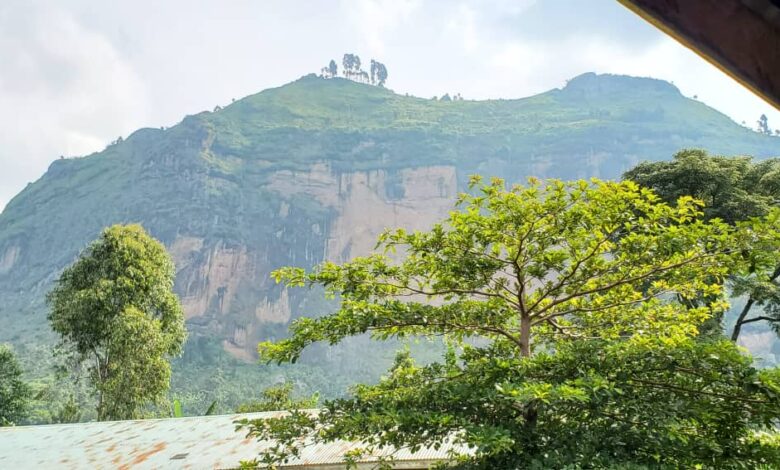
It is likely that the first settlers preferred higher ground, safer from wild animals. Hills across Masabaland should be examined as probable first homes. In fact, some hills may hold the clues we need bone remains, tools, or burial sites.
Once remains and artifacts are recovered, they will be preserved in a proposed Bugisu Cultural Museum, to be located in Mbale. This museum will house archeological findings, oral histories, cultural artifacts, burial relics, agricultural tools and early clothing.
This will be a center for learning, heritage, and tourism, drawing in students, researchers, tourists, and Bamasaaba descendants from around the world.
As part of our investigations, we must also ask was it one person or a group that settled here?, did the first Bamasaaba originate from Bududa, Sironko, or Mbale, what kind of food did they eat?, how tall were they? What was their average lifespan?, did they bury their dead or leave bodies to wild animals?, and how did our current burial practices evolve?
These questions must be answered through careful, respectful archeological work rooted in both oral traditions and scientific inquiry.
As a child growing up near the old Mbale District Administration (DA) offices, I recall seeing skulls believed to be those of our forebears left undocumented and forgotten. We must collect, preserve, and document such relics. Each skull, tool, or stone carving is a book of history that must be read, not lost.
We, as the Bamasaaba, should have started this journey “yesterday.” But it is not too late. The Bamasaaba Cultural Institution will soon begin working with respected archeologists, historians, and cultural scholars to uncover and document our shared past.
Just like the Arabs and Egyptians have turned their graves and relics into global tourism magnets, we too must turn our sacred past into a beacon of knowledge, pride, and opportunity.
Let us rise and reclaim the story of Masaba and his descendants not just in name, but in fact, in evidence, and in honor.
The author is Steven Masiga, the Spokesperson, Bamasaaba Cultural Institution
Disclaimer: As UG Reports Media LTD, we welcome any opinion from anyone if it’s constructive for the development of Uganda. All the expressions and opinions in this write-up are not those of UG Reports Media Ltd. but of the author of the article.
Would you like to share your opinion with us? Please send it to this email: theugreports@gmail.com.